Loading...
elearning Campus BlogAmphibians Pets
Amphibians Pets
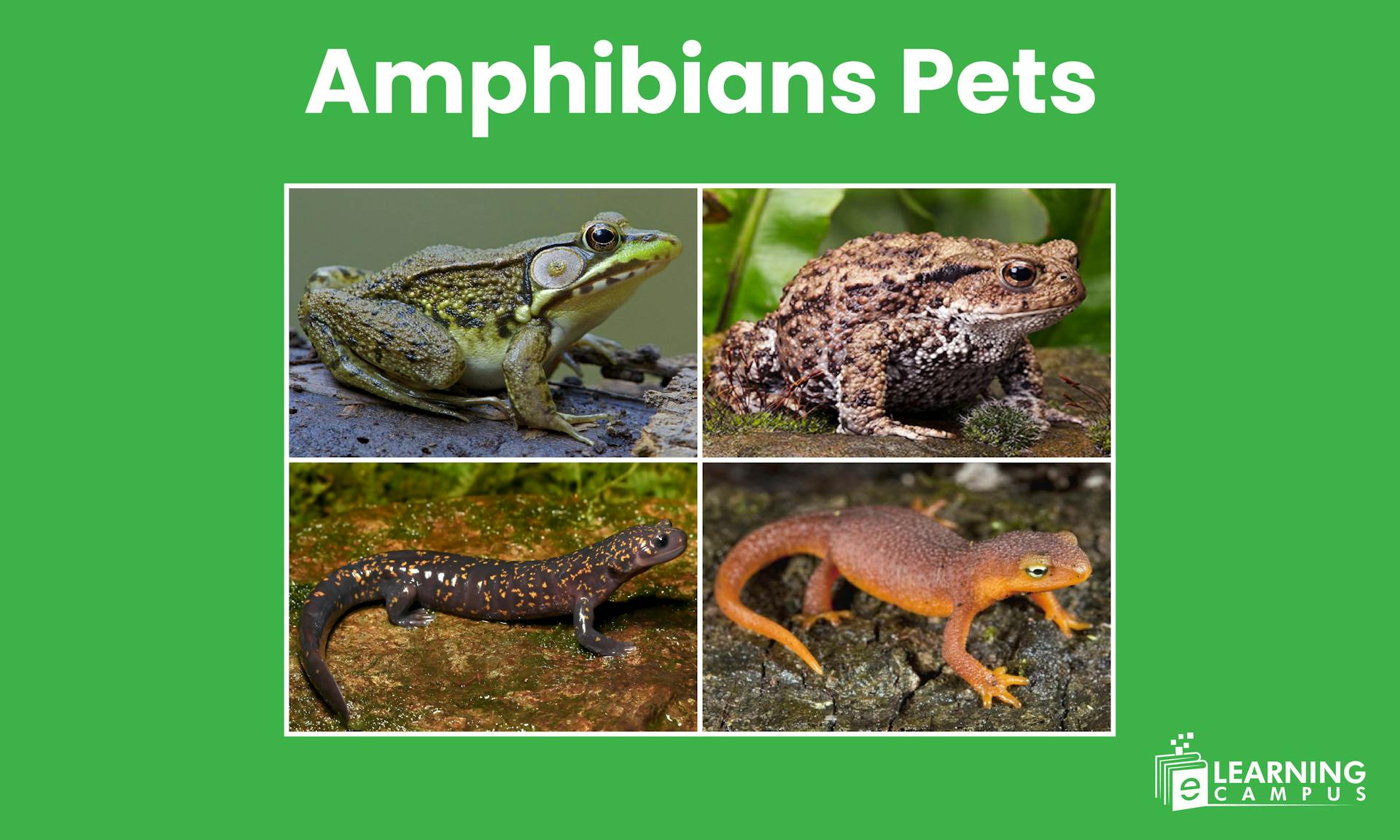
What comes to your mind when you hear about pa et? Birds and animals? But there is also a unique and fascinating kind of pet known as an Amphibians pet. Amphibians are species that start their life in water, and after becoming adult, they spend their life on land, which includes frogs, toads, salamanders, or Axolotls.
These species offer unusual behaviors, vibrant colors, and amazing adaptations that attract your attention. But in the same way, specific care is needed for their survival.
In this blog, we provide a complete detail that guides you on what amphibious pets are and how to take care of them.
What are Amphibian Pets
Amphibian pets are animals that spend the initial part of their larval life in water and then on land. They have soft and thin skin and lay eggs in water. They need a moist environment, cool temperatures, and clean water to stay healthy. They belong to the class Amphibia that includes Frogs, toads, salamanders, and newts.
Types of Amphibious Pets
Amphibian pets come in many types. Each group has its own beauty, care needs, and behaviors. Mainly, Amphibian Pets include frogs and toads, salamanders, newts, and Axolotls. Here are the details;
Frogs and Toads
Frogs and toads are the most popular amphibian pets. They come in many sizes, colors, and personalities.
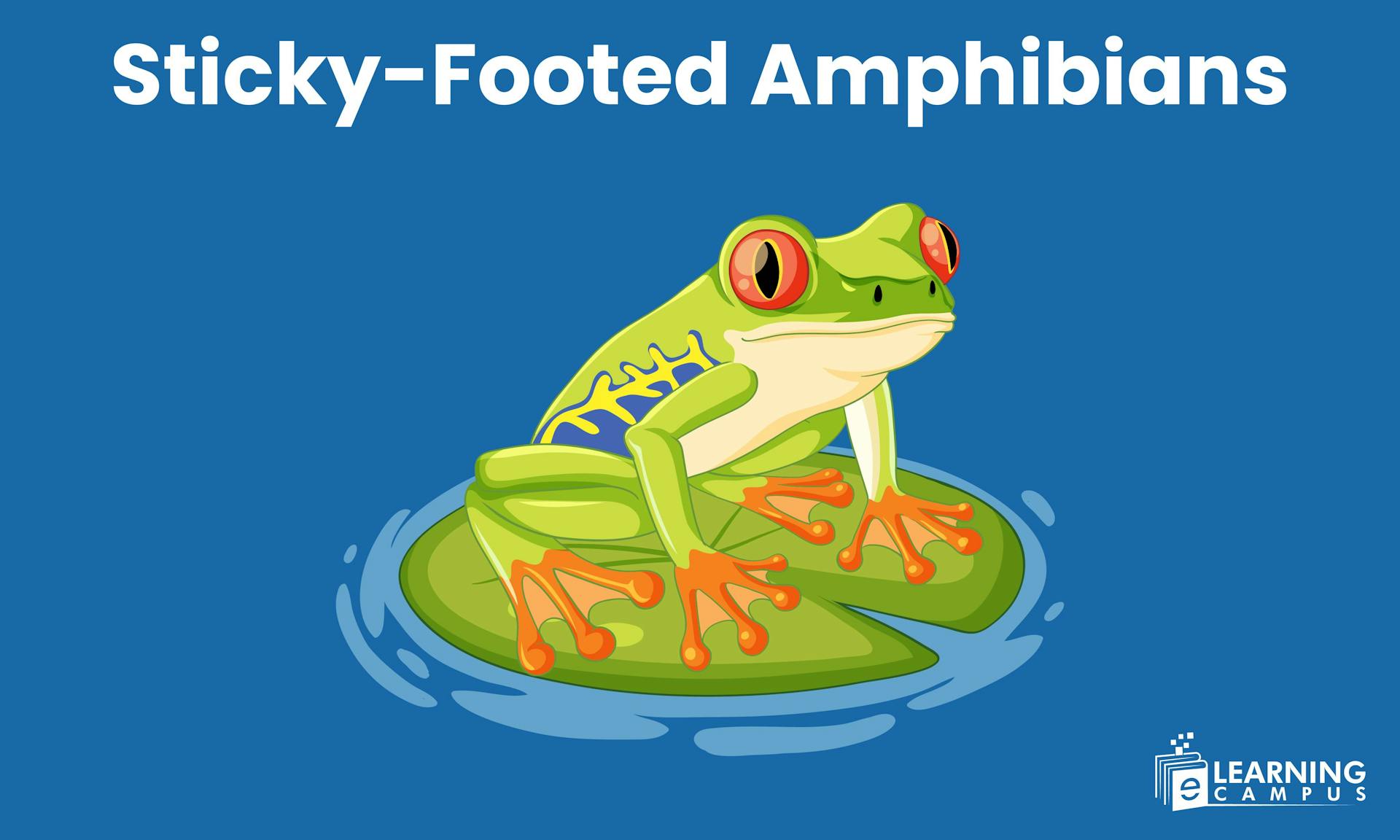
Tree frogs live in trees and require vertical enclosure and high humidity. Popular tree frog pet species include the Red-eyed Tree Frog, White’s tree frog, and the green tree frog. These pet frogs are best for those People who want colorful and calm frogs.
Ground-dwelling frogs such as pacman frogs prefer moist soil and usually stay still, waiting for prey to come close.
Fully Aquatic frogs, such as African dwarf frogs,remain in water most of the time and are ideal for aquarium-style setups.

Salamanders and Newts
Salamanders and nets are smooth-skinned amphibians that can live in water, on land. They are fascinating pets because of their unique behaviors and low-noise nature. Their behaviours, such as burrowing, exploring at night, and their ability to regenerate lost limbs, make them an exciting choice for amphibian lovers.
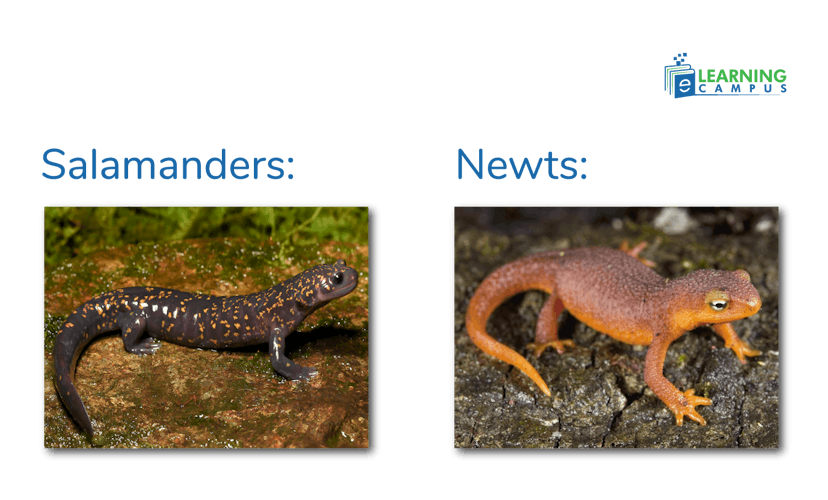
Types of Pet Salamanders and Newts
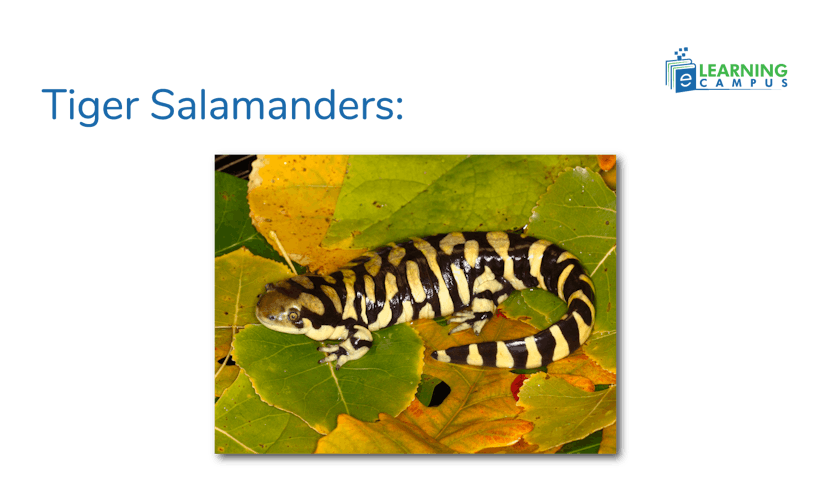
- Tiger salamanders are Terrestrial and hardy, with dark bodies and yellow or green markings, making them beginner-friendly.
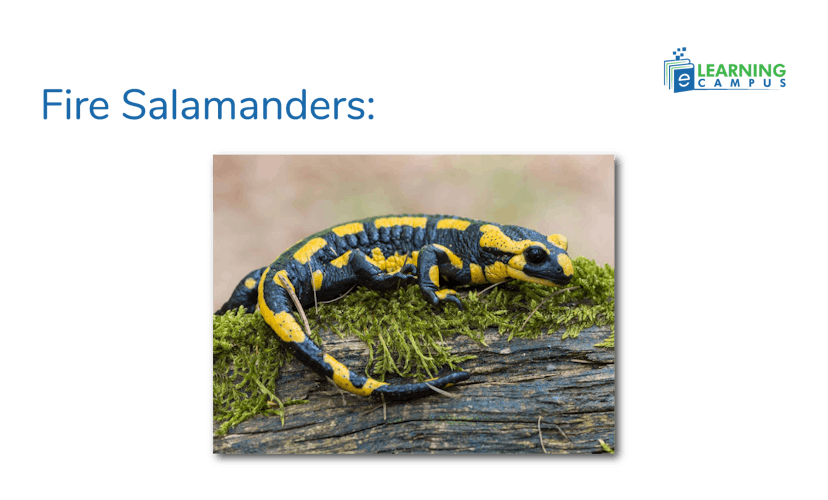
- Fire salamanders are striking with black and yellow patterns and prefer humid, forest-like terrariums and occasional shallow water.
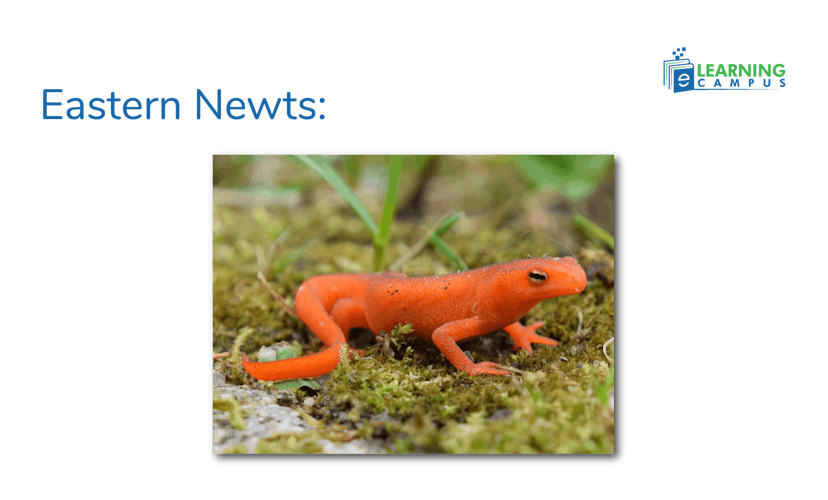
- Eastern Newts are semi-aquatic, living in water as adults but also come on land. They are small, active, and often brightly colored in orange and red.
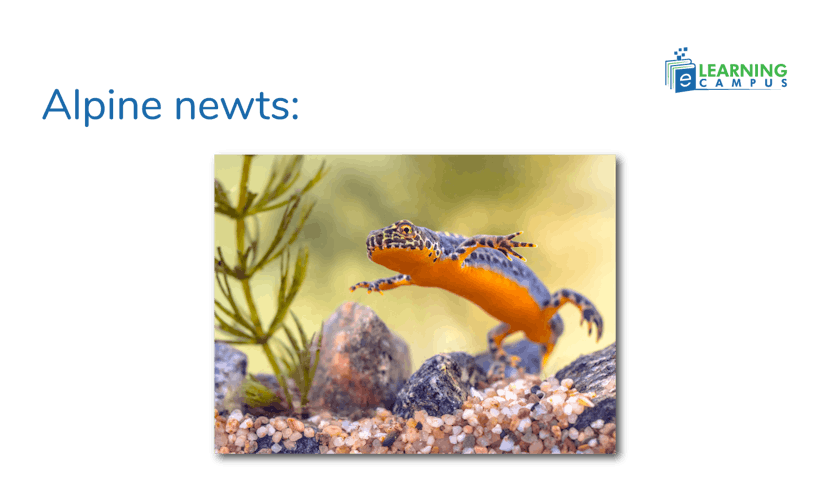
- Alpine newts are fully aquatic, hardy, and colorful, thriving in a tank with plants and hiding spots. Alpine newts are known for their striking appearance, often showing blue, green, or a pattern, especially during the breeding season.
Axolotls
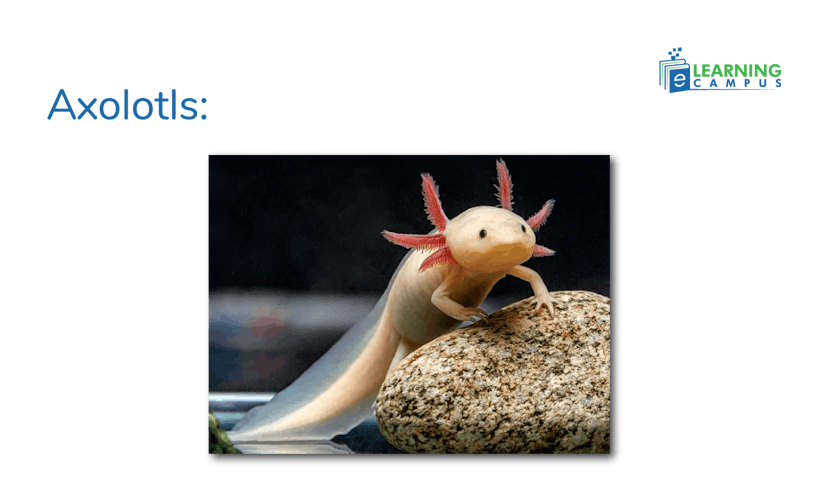
Axolotls are also called Mexican walking fish, are unique aquatic salamanders that keep their feathery gills and stay in water throughout their life. They are quiet, cute, and fascinating to watch, making them great pets for enthusiasts.
Hire expert Science tutors for kids
How to Take Care of Amphibian Pets
Amphibians make unique pets, but they require special care due to their delicate skin, sensitivity, and environmental needs. Whether you have frogs, salamanders, or axolotls, proper care ensures they stay healthy.
Here the some tips that are required if you want to keep an amphibian as a pet for their healthy survival.
Setting up the Right Habitat
Setting up the right tank means creating an environment for your amphibian pet that makes them feel like home, where they can live comfortably, healthy, active, and stress-free. Their habitat requires tank size, substrate, water and humidity, temperature, and hiding spots.
Tank size: There is enough space for your pet to move, climb, and swim comfortably.
Substrate: Substrate is the material on the bottom of the tank, such as soil, sand, or moss, for suitable for burrowing or moisture retention.
Water and humidity: Keep water clean and dechlorinated. Maintain proper humidity; most amphibians need 70 to 90%.
Temperature: Follow species-specific temperature ranges. Tropical Amphibians need 70 to 80 degrees F Axolotls prefer 60 to 68 degrees F.
Hiding Spot: Provide plants, logs, caves, and rocks for shelter and security.
Feeding Properly
Most amphibians are carnivores, eating insects, worms, or small fish. Feed juveniles daily, about 2 to 4 times a week for adults, depending on species.
Minimize Handling
Amphibians have delicate, permeable skin that can absorb oils and chemicals, so avoid touching them frequently. Use wet hands or gloves if handling is necessary.
If you want them to become close to you, then offer food consistently and observe quietly rather than frequent touching. Avoid sudden movements or bright lights near the tank.
Cleaning and Maintenance
Change water regularly and clean tanks to prevent disease. Keep the habitat stable. Amphibians are sensitive to sudden temperature or humidity changes.
Monitoring Health
Healthy amphibians are active, alert, and have clear eyes and smooth skin.
Watch for lethargy, loss of appetite, skin sores, or abnormal swimming. If you notice these symptoms, then it indicates stress or illness in your pet.
Best Amphibious Pets
These animals thrive in moist environments and are best suited for calm households where they can live without frequent handling, and are also best suited for beginners. Some of the best amphibians to keep as pets include;
- Axolotls
- African Dwarf Frogs
- fire -Bullied Newts
- Pacman Frogs
Cool Amphibious Pets
Some amphibians stand out for their rare colours, behaviours, appearance, and low noise. Cool Amphibians include ;
- Red-Eyed Tree Frogs
- Blue Axolotls
- Fire salamanders
Conclusions
Amphibians are one of the interesting creature on this Earth that has their own characteristics and needs. Caring for amphibian pets is about a stable, clean, and naturalistic environment, while considering their delicate nature. With proper habitat, feeding, and minimal handling, amphibians can thrive and become fascinating,low-noise companions in your home.
Learn science online with expert Tutors
Want to learn more about Interesting creatures on Earth? Our expert online science tutors can help you uncover interesting facts. They will help with your homework, preparation for exams, and cover key topics. Get benefits with our online tutoring service.

Related Amphibians Articles
Curated science articles exploring amphibian species, biology, and habitats.