Loading...
elearning Campus BlogAmphibians Native to Georgia
Amphibians Native to Georgia

Did you know that Georgia's wetlands, forests, and rivers provide a perfect habitat for a wide variety of amphibians? Yes, Georgia indeed is one of the states in the U.S that is home of about more than eighty species of Amphibians. Georgia has clean water, moist Appalachian mountain stable humidity, and the wetland of the coastal plain, which amphibians need for survival.
This blog highlights the amphibians native to Georgia, why this state has so many amphibians, and why amphibians are declining in Georgia.
What are Amphibians
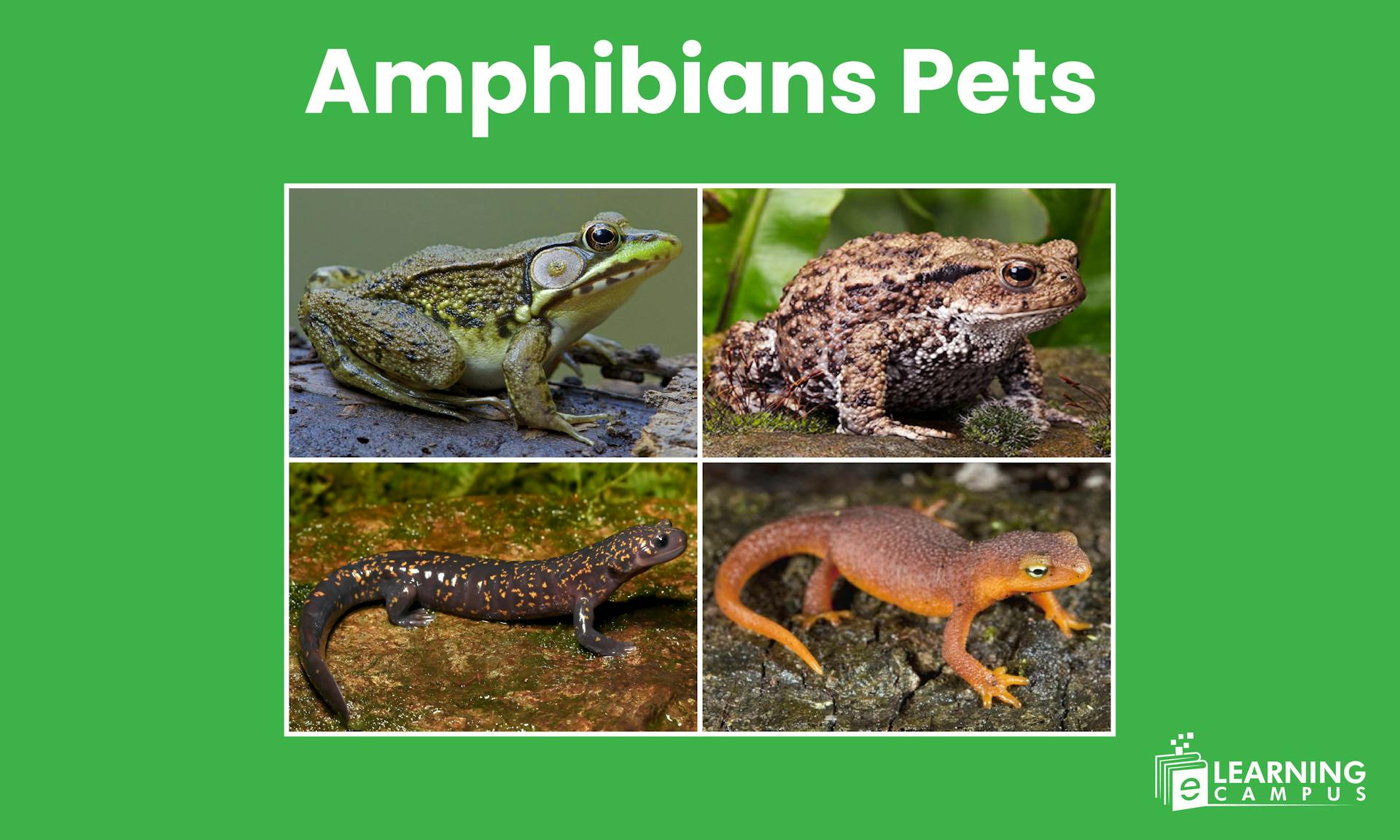
Amphibians are a type of species that belongs to the group Amphibia. These are the animals that live both on land and in water during their lives. Frogs, toads, newts, and salamanders are included in this group.
- Amphibians are cold-blooded vertebrates that spend their initial life in water and then spend time on land, but they need water that keep them moisturized.
- They lay jelly-like, soft eggs in water without a shell, which is why their egg need wet or moist places for survival.
- They begin as aquatic larvae, breathing through gills. As they grow, many develop lungs and move onto land.
Why does Georgia have so many Amphibians?
Georgia is one of the most amphibious-rich states in the United States. More than 80 species of amphibians make Georgia their home, including a stunning diversity of frogs, toads, salamanders, and newts.
- Amphibians thrive in places with clean water, shady cover, and stable humidity. Georgia delivers all three across its landscapes.
- Georgia has many amphibians because the state has a wide variety of habitats from cool, moist Appalachian mountains to the rolling hills of the piedmont, the wetlands of the coastal plain, and the coastal ecosystem of the barrier islands.
- These areas provide plenty of clean water, humidity, shade, and food, which are essential requirements of amphibians.
Want to learn more? Get help with our Online Science Tutors
Types of Amphibians Native to Georgia
Georgia provides shelter to many amphibians. Georgia is home to various toads, frogs, and salamanders. It includes green tree frog, southern leopard frog, little grass frog, salamanders, and striped newts. All these species thrive in wetlands, forests, or backyards. Here are the types in detail;
Frogs and Toads are Native to Georgia
Georgia is home to around 30 species of frogs and toads, each with its own sound, appearance, and behavior. Here are details;
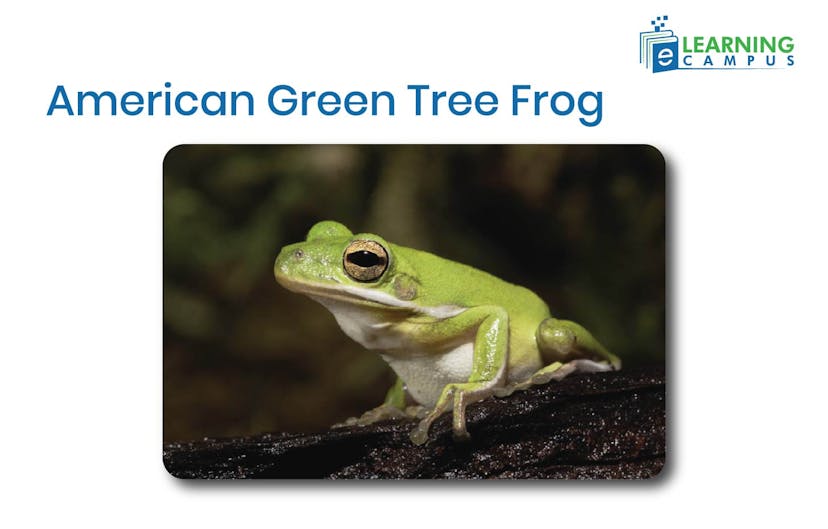
American Green Tree Frog
This bright green frog is so iconic that it became Georgia’s official state amphibian. It lives near ponds, swamps, and wetlands and is often heard calling loudly on summer nights.
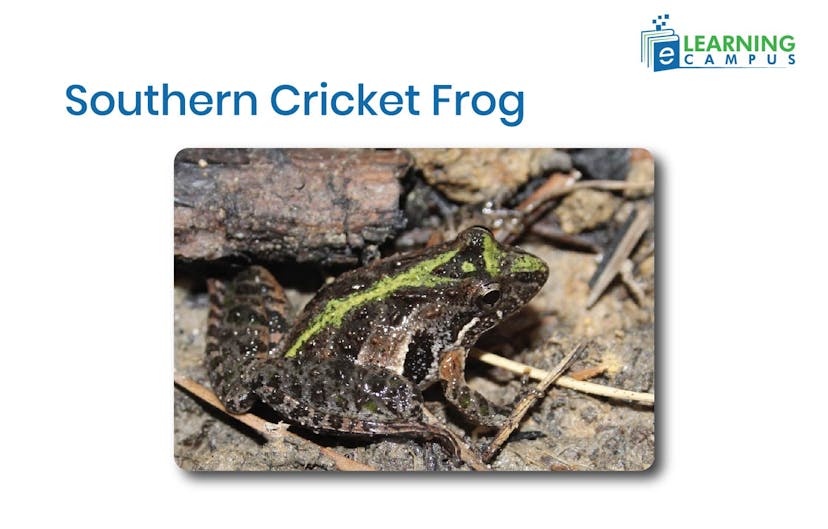
Southern Cricket Frog
These frogs are small but energetic. This frog is commonly found near shallow water. Its sharp clicking call sounds like two sounds tapping together.
Southern Leopard Frog
They are recognized by their dark oval spots. This frog lives in marshes, ponds, and wet meadows and is often active at night.

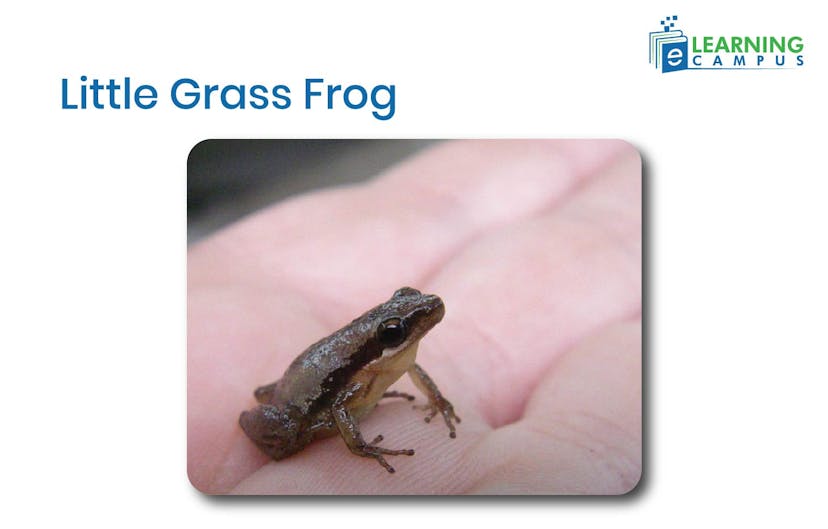
Little Grass Frog
This is one of the smallest frogs in North America, living in grassy wetlands in the southeastern U.S It's tiny, camouflaged, insect-eating eating and makes a high tink-tink call.
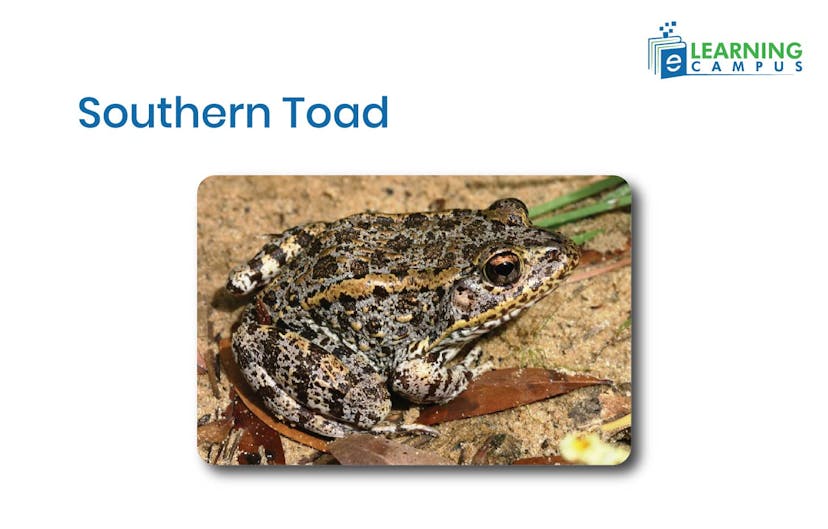
Southern Toad
They are common in sandy soils and forests. The southern toad is a familiar backyard visitor in many parts of Georgia. They are nocturnal insect-eaters that breed near water and play an important role in controlling bugs and keeping the ecosystem healthy.
Salamanders and Newts Native to Georgia
Georgia is especially famous for its incredible salamander diversity, especially in the northern mountains. Here are the details;
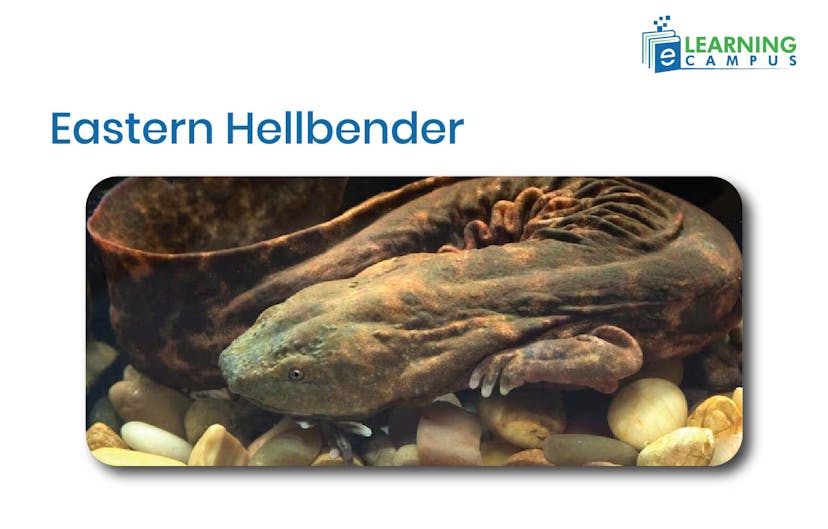
Eastern Hellbender
This giant salamander can grow over two feet long and lives only in cold, clean mountain streams. It is rare and a sign of excellent water quality.
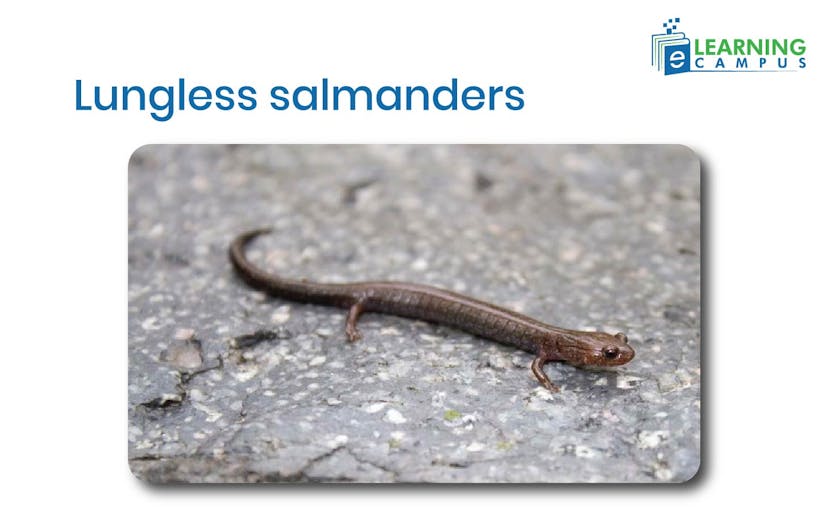
Lungless salmanders
Many salamanders in Georgia breathe through skin instead of lungs, which means they must stay moist. Some unique native species include:
- Ocmulgee slimy salamander
- Patch-nosed salamander
- Pigeon Mountain salamander
These species often live under rocks, logs, and leaf litter in forests.
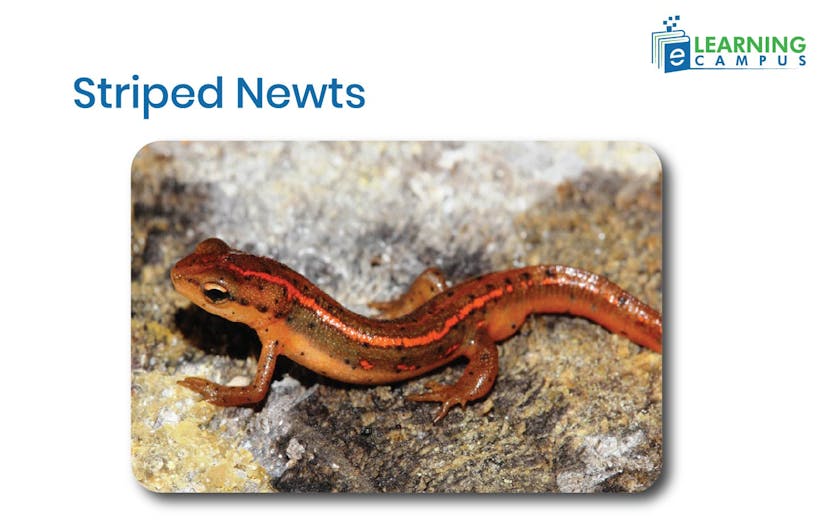
Striped Newts
This colorful native newt lives in wetlands and pine flatwoods and has a complex life cycle that includes both aquatic and land-dwelling stages.
Threats to Amphibians in Georgia
Although Georgia is rich in amphibian life, many species are declining because of human activity and environmental change. Unfortunately, many amphibians native to Georgia are at risk. Major threats include:
Habitat Loss and Urban Development
As urban development progresses day by day, human needs also increase, which results cutting of forests, making homes, industries, etc which resulting in wetlands, forests, and foodplains being drained, cleared, or paved over. When breeding is too early, while ponds disappear, amphibians lose the places they need to lay eggs and find shelter.
Water Pollution
Pesticides, fertilizers, industrial wasteand runoff contaminate ponds and streams. Because amphibians absorb water through their skin, the polluted water passes through their bodies the toxins can harm or even kill them.
Climate change
Changes in rainfall and temperature affect wetlands and breeding seasons. Droughts dry up the pond too early, while storms can wash away eggs and larvae.
Disease
Fungal infections such as chytrid fungus damage amphibians' skin and have caused major population declines worldwide, including in the southeastern U.S.
Road Mortality
Many amphibians migrate to breeding ponds at night. Roads, wetlands, and forests cause high mortality during these movements.
Invasive and non-Native species
Invasive species can seriously harm amphibians. They may eat eggs, tadpoles, pr adult frogs compete with them for food and habitat, and spread disease and change or pollute their environment.
Habitat Fragmentation remains
Even when some habitat remains, roads and construction break it into small pieces, making it harder for amphibians to move, feed, and reproduce.
How can we help Amphibians in Georgia
As we know that amphibians in Georgia are declining due to several reasons. We can put efforts that can help to protecting amphibians. Even small efforts, such as reducing chemicals, protecting water, and respecting wildlife, can make a huge difference for amphibians in Georgia. Here are some tips;
- Protect natural areas on your property
- Avoid pesticides, herbicides, and chemical fertilizers because these can be absorbed through an amphibian’s skin, which is harmful.
- Never throw anything near ponds, streams, or rivers. Properly dispose of oil, paint, and trash.
- Watch for frogs and salamanders on rainy nights when driving.
- Do not collect wild amphibians as pets.
- Never release pet frogs or salamanders into the wild. They can spread diseases and harm native species
- Support conservation programs and education.
Conclusion
Georgia is one of the richest states in the U.S. Its forests, wetlands, and Appalachian mountains support a diverse range of amphibian habitats. But many amphibians are declining. We should care for amphibians to protect the natural beauty and biodiversity of Georgia for future generations.
Learn science online with Expert Tutors
Want to learn about the amphibians native to Georgia or how to protect them? Our expert online science tutors can help you. Our online tutors help you explore these topics in depth and guide you in meaningful conversation learning. Get benefits with our online tutoring service and boost your knowledge and grades in Science now!

Related Amphibians Articles
Curated science articles exploring amphibian species, biology, and habitats.