Loading...
elearning Campus Blog Sticky-Footed Amphibians
Sticky-Footed Amphibians
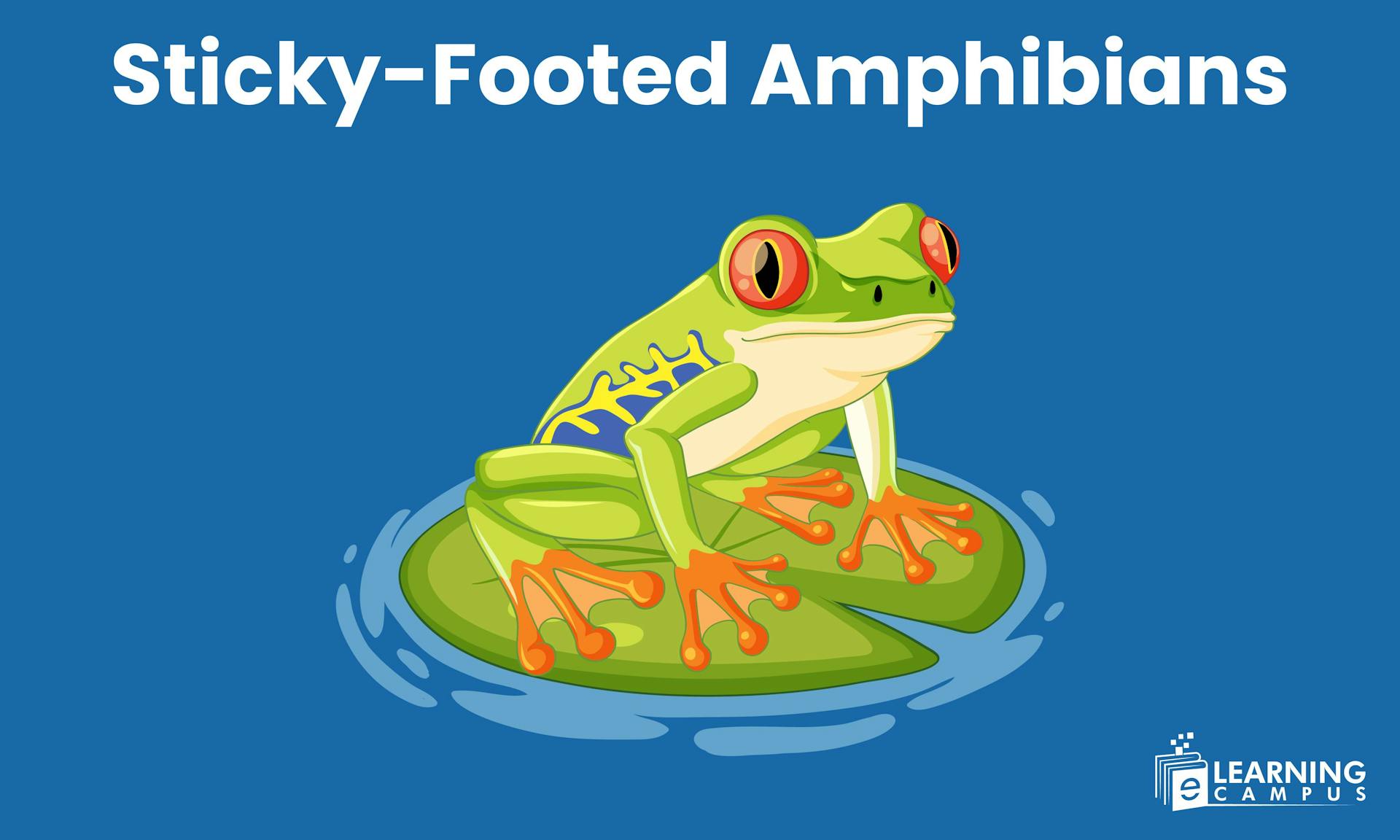
Have you ever seen some frogs clinging to wet leaves or climbing vertical tree trunks without slipping? You might think How do they do that. It is the sticky foot that helps them. Sticky-footed amphibians are one of nature’s most fascinating climbers that have toe pads which secrete mucus, which helps them grip surfaces like trees, leaves, grass, glass, and even smooth walls, rocks, or humid habitats.
In this blog, we explore exactly how frogs stick, the logic behind their adhesive toes, and how these special adaptations help them survive.
What Are Sticky-Footed Amphibians
Sticky-footed amphibians are species that have evolved adhesive toe pads, allowing them to climb surfaces that most other animals cannot. These abilities are widespread in tree frogs. These frogs can stick to tree bark, wet leaves, smooth glass, rock, and even hang upside down. Sticky-footed amphibians refer to frogs with specialised toe pads, made of hexagonal cells, moisture, and soft skin layers that create natural adhesion.
Example of Sticky-Footed Amphibians
Sticky-footed frogs are usually frogs that use their toe pad structure to cling to the surface. Their feet are covered with microscopic grooves that create strong, wet adhesion. Here are some species of sticky-footed amphibians ;
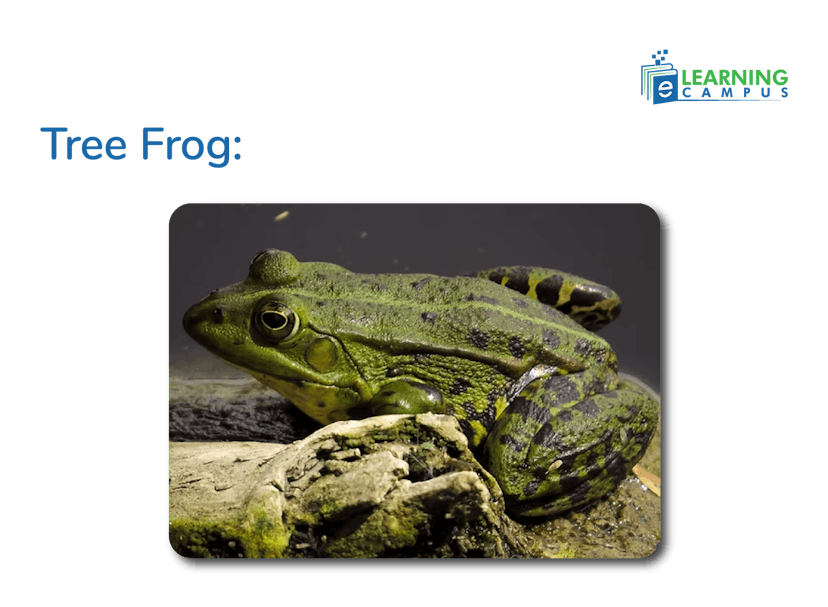
Tree Frogs
Tree frogs are a group of frogs that live primarily in trees. They are known for their amazing climbing abilities, which allow them to navigate vertical surfaces in forests, swamps, and rainforests.
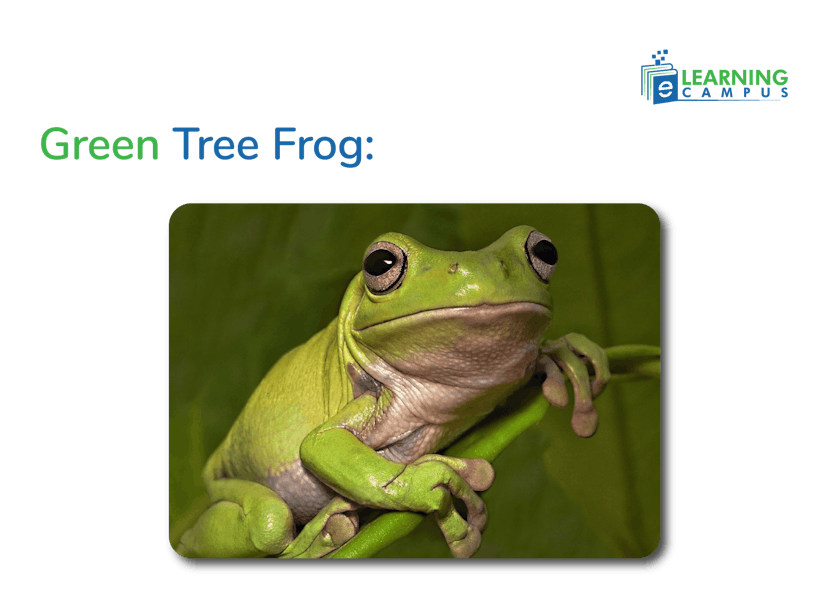
Green Tree Frogs
Green tree frogs are a species of tree-dwelling frogs known for their bright green color and sticky toe pads that help them climb leaves and branches with ease. These frogs are nocturnal, feeding on insects and other small invertebrates, and they play an important role in controlling insect populations.
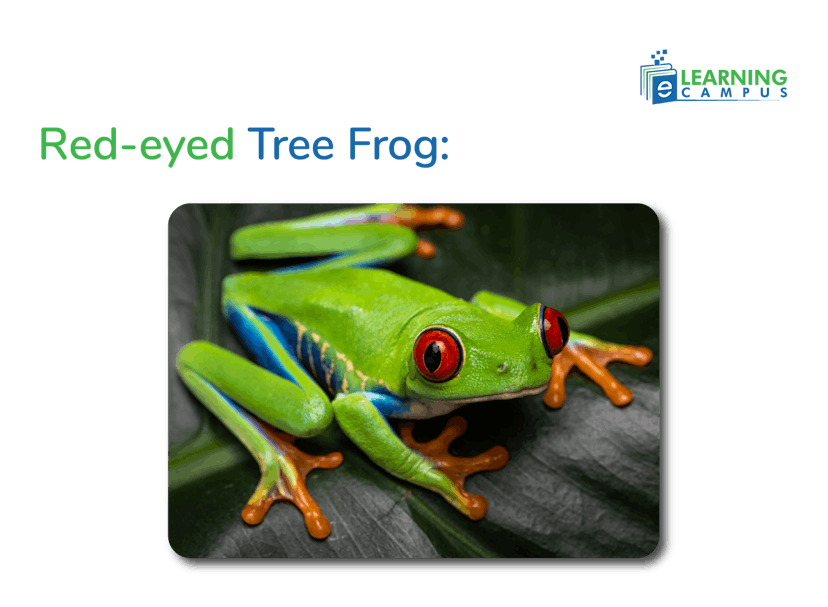
Red-eyed Tree Frogs
Red-eyed tree frogs are vibrant, small frogs native to Central America, famous for their striking red eyes and bright green bodies with blue and yellow markings. Their sticky toe pads help to navigate trees and leaves in the rainforest. Their bold coloration helps startle predators, while their diet mainly consists of insects. These frogs are also known for laying eggs on leaves above water, ensuring their tadpoles safely drop into ponds or streams.
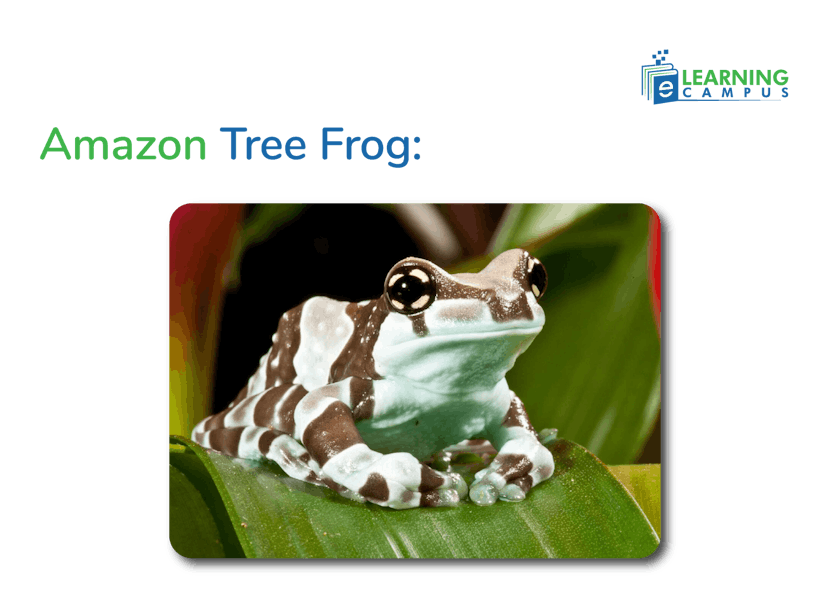
Amazon Tree Frogs
Amazon tree frogs are a species of tree-dwelling frogs found in the lush rainforests of the Amazon Basin. They also have sticky toe pads that allow them to climb trees, leaves, and branches with ease. They often lay eggs on foliage above water, so their tadpoles can safely drop into streams or ponds, continuing their life cycle in the rainforest.
How Frogs Stick to Walls
These amphibians are mostly found living in rainforests, tropical regions, and humid habitats, where climbing is essential for survival. Their sticky feet help them to escape from predators, hunt for food, and move safely through tall vegetation. Here are some Mechanisms of sticky Feet ;
Adhesive Toe Pads
Their toes are soft, moist, and covered with microscopic grooves called epithelial cells. These grooves spread mucus evenly, creating a wet adhesive effect unlike suction or dry stickiness.
Moisture-Based
Tree frogs’ feet release a thin layer of fluid that acts like a natural glue, increasing friction and grip, especially on smooth or wet surfaces.
Adhesion +Friction
Two Forces help frogs hold on:
Adhesion: Their sticky pads help them cling to surfaces
Friction: Rough skin helps create grip on rough surfaces
They can stick to:
- Tree barks
- Leaves
- Glass windows
- Smooth walls
Flexible Expanding Toes
Their toes can spread wide to increase contact area, which helps them stick even on slippery leaves during rainfall.
Natural Climbing Ability
Sticky-footed amphibians are expert climbers because their feet adjust pressure automatically, clean themselves. This ability helps them find food, escape predators, and reach safe habitats, making it essential for survival.
Sticky-Footed Amphibians NYT(New York Times)
The New York Times (NYT) is one of the world’s most famous and respected newspapers, based in the United States. The topic gained popularity after various scientific articles, including NYT features, highlighted the advanced adhesion mechanism in frogs.
In New York Times crosswords,” Sticky-footed amphibians” usually refers to tree toads. These amphibians have special toe pads that help them climb and stick to trees, leaves, and even glass.
A crossword clue is a short description, hint, or wordplay that guides the solver to the answer that fits into the puzzle’s grid. This clue appears often in NYT crosswords because it is short, clever, and easy for solvers who know about wildlife. Tree frogs mostly live in forests and wetlands, and their sticky feet help them hunt, insects, escape predators, and stay safe while moving between branches. So when you see this clue in a puzzle, the most common answer is tree toads.
Tree Frog Climbing Ability
Tree frogs can climb vertical surfaces because of their flexible toe pads that adjust their grip based on the surface angle.
- Their toes are highly flexible, enabling them to wrap around branches and leaves.
- They have large toe pads covered with tiny hexagonal structures.
- These pads secrete a thin layer of mucus, allowing them to stick.
- This Mechanism is called wet adhesion, which works well in humid rainforest environments.
Frog Feet vs Gecos
Frogs are stuck to surfaces using moist, stocky toe pads. Their toes have tiny grooves and a thin layer of mucus that creates grip through capillary action.
Geckos, on the other hand, use dry adhesion. Their feet have millions of microscopic hair-like structures called setae, which create a strong grip through van der Waals forces, no moisture needed.
Benefits of Sticky Feet in Amphibians
Sticky-feet amphibians have toe pads that offer them powerful advantages. This ability makes them able to climb trees, find food, and escape from predators. Here are more benefits ;
- It allows frogs and other amphibians to scale trees, leaves, and branches effortlessly.
- Sticky feet help them to Escape From predators
- Being able to cling to vertical surfaces helps them hide from threats.
- Sticky feet help the t move silently and hunt insects.
- Adhesion helps grip slippery and moist surfaces
- Scientist study their sticky pads to create adhesive technologies for robotics, medicine, and engineering.
Conclusion
Sticky-footed amphibians such as s frogs, and red-eyed tree frogs are one of the fascinating creations on earth. Their specialized roe pads allow them to climb, hunt, escape predators, and reproduce safely in challenging environments like rainforests and wetlands. Our blog will help to understand their unique abilities that inspired scientists to discover innovations in medical adhesives, climbing robots, and surface technologies.
Learn Science Online with Expert Tutors
Want to learn more about nature or science topics? Our expert online science tutors can help you. They will help with your homework, preparation for exams, and uncover more fascinating adaptations. Get benefits with our online tutoring service and boost your grades in Science now!

Related Amphibians Articles
Curated science articles exploring amphibian species, biology, and habitats.