Loading...
elearning Campus BlogWhat is Branzino Fish?
What is Branzino Fish?

Have you ever browsed a restaurant menu and wondered what branzino fish is? This elegant Mediterranean fish has become increasingly popular in restaurants and home kitchens alike, and for good reason.
In this blog, we will explore what kind of fish is Branzino, its features, different names, and how to cook it.
What Type of Fish is Branzino?
Branzino is a type of sea bass, specifically European sea bass. The ‘branzino’ is an Italian name, and it is known by different names in different countries. In English, it is commonly known as European bass or Mediterranean sea bass. The scientific name of Branzino is Dicentrarchus labrax.
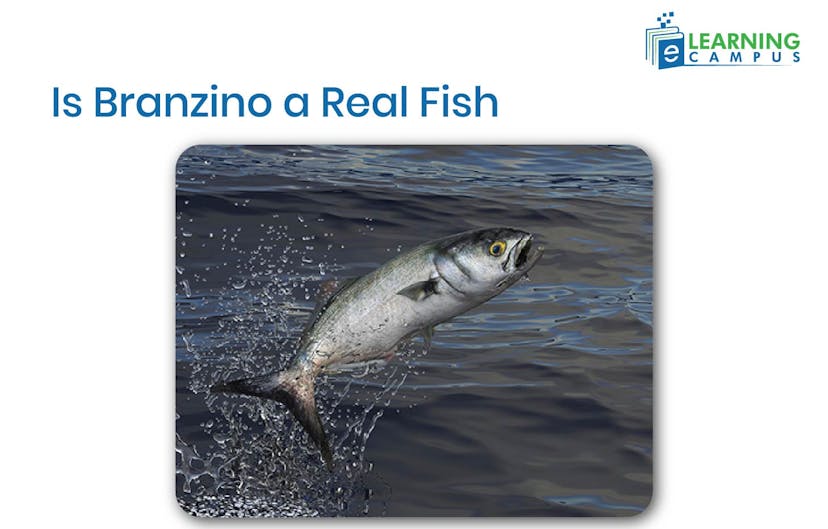
Is Branzino a Real Fish
Yes, Branzino is a real fish that has been prized in European cuisine for centuries. Branzino is a white fish with delicate, pale flesh and a mild, slightly sweet flavor. It appeals to even those who are not typically fish fans. The meat is tender and flaky when cooked, making it a favorite among chefs and home cooks.
Where Does Branzino Fish Come From?
Branzino is originally from the Mediterranean Sea and the eastern Atlantic Ocean. This saltwater fish is native to coastal waters, estuaries, and lagoons throughout the region.
While wild branzino exists commercially today is farm-raised, particularly from Greece, Turkey, Italy, and increasingly from sustainable fish farms around the world.
The fish inhabits saltwater environments, though it can tolerate brackish water in estuaries where fresh and salt water mix. They prefer coastal areas with rocky or sandy bottoms.
What Does Branzino Fish Look Like?
Branzino has a sleek, silvery body with a slightly darker back. The fish typically has a streamlined shape with distinct fins and a pointed head. Most branzino served in restaurants weigh between 1 to 2 pounds, though they can grow larger in the wild. An adult branzino fish typically ranges from 12 to 20 inches long when sold commercially.
The fish does have small scales that are usually removed during preparation, though some traditional recipes cook the fish with scales on for added crispiness.
Is Branzino Fish Healthy?
Yes, Branzino is a healthy fish and an excellent nutritional choice. It is high in lean protein and rich in omega-3 fatty acids, which support heart and brain health. The fish is also a good source of vitamin B12 and selenium while being low in saturated fat.
While branzino contains healthy omega-3 fats, it is actually leaner than fish like salmon or mackerel, making it a good option if you prefer a milder flavor. It is a lighter alternative to fattier fish.
Mercury Levels in Branzino
Branzino is generally considered a low-mercury fish, making it safer to eat more frequently than high-mercury options like swordfish or king mackerel. Like all fish, it contains trace amounts of mercury, but the levels are typically low enough to not be a concern for most people eating it regularly.
Is Branzino a Sustainable Fish?
Yes, branzino is sustainable. The sustainability of branzino depends on the source. Farm-raised branzino from well-managed operations can be a sustainable choice. When shopping, look for certifications from organizations that verify responsible aquaculture practices.
The sustainability of branzino has improved significantly as farming techniques have become more environmentally conscious. Choosing responsibly farmed branzino helps support better practices in the seafood industry.
What Does Branzino Taste Like?
The Branzino has a mild and delicate flavor. The taste is subtle and slightly sweet, making it an excellent seafood for those who are hesitant about strong fish flavors. In terms of flavor profile, branzino is comparable to striped bass, sea bream, or red snapper, all mild white fish with sweet and tender flesh.
The texture is firm yet flaky when cooked properly, and the meat pulls away from the bones easily.
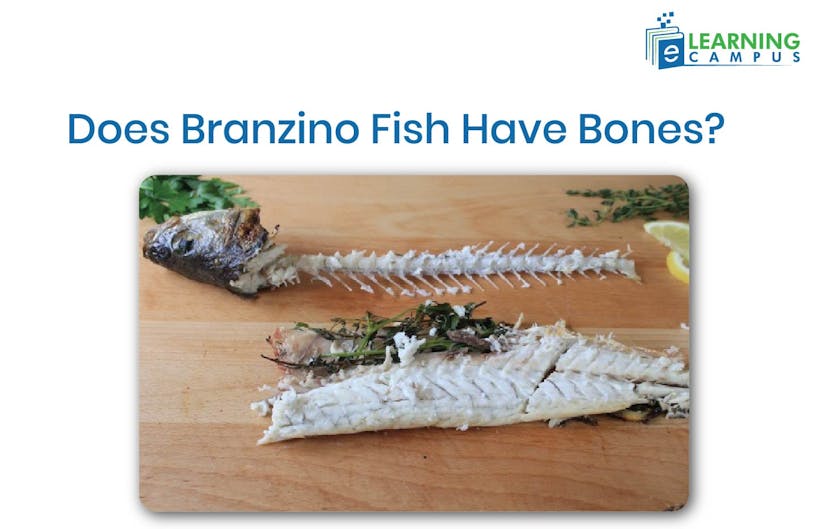
Does Branzino Fish Have Bones?
The whole branzino contains bones, including small pin bones along the spine. The fish has a moderate bone structure compared to some other species. When cooked whole, the bones are easy to navigate and remove.
You can debone it and also fillet it before cooking. Learning how to fillet branzino fish yourself is also quite manageable with a little practice.
How to Prepare Branzino Fish
Making branzino fish is simpler than you might think. It can be cooked in different ways. Its preparation involves basic cleaning, seasoning, and choosing a cooking method like roasting, grilling, or pan-searing.
Simple Roasted Whole Branzino
Roasting a whole branzino is a classic Mediterranean preparation that is simple and ready in under 30 minutes.

Ingredients
- 1-2 whole branzino (about 1-1.5 lbs each), cleaned and scaled
- Salt and freshly ground black pepper
- 1 lemon, thinly sliced
- 4-5 garlic cloves, smashed
- Fresh herbs (thyme, parsley, or rosemary)
- 3-4 tablespoons olive oil
Step-by-Step cooking Method
- Preheat your oven to 400°F (200°C). Line a baking sheet with parchment paper or lightly oil it.
- Prepare the fish by rinsing it under cold water and patting completely dry with paper towels, both inside the cavity and outside. This is crucial for crispy skin.
- Score the skin by making 2-3 diagonal slashes on each side of the fish, cutting about 1/4 inch deep. This helps the fish cook evenly and allows the skin to crisp up.
- Season the cavity generously with salt and pepper, getting into all the crevices.
- Stuff the cavity with lemon slices, smashed garlic cloves, and a generous handful of fresh herbs. Don't overstuff, just enough to flavor the fish from within.
- Season the outside by rubbing the entire fish with olive oil, then sprinkling generously with salt and pepper on both sides.
- Arrange on the baking sheet and drizzle any remaining olive oil over the top.
- Roast for 20-25 minutes, depending on the size of your fish. The fish is done when the flesh is opaque, flakes easily with a fork, and the internal temperature reaches 145°F.
- Rest for 2-3 minutes before serving. Garnish with fresh lemon wedges and a drizzle of good olive oil.
Grilled Branzino
Grilling branzino over high heat creates a smoky, crispy skin while keeping the mild white flesh tender and moist.

Ingredients
- 1-2 whole branzino, cleaned and scaled
- 1/4 cup olive oil
- 3 tablespoons fresh lemon juice
- 3 garlic cloves, minced
- 2 tablespoons fresh herbs (parsley, thyme, or oregano), chopped
- Salt and pepper
- Lemon wedges for serving
Step-by-Step Instructions
- Make the marinade by whisking together olive oil, lemon juice, minced garlic, chopped herbs, salt, and pepper in a bowl.
- Prepare the fish by rinsing and patting it completely dry. Score the skin with 2-3 diagonal cuts on each side.
- Marinate the fish by placing it in a shallow dish or large zip-top bag. Pour the marinade over the fish, making sure to get some inside the cavity. Refrigerate for 30 minutes, turning once halfway through.
- Preheat your grill to medium-high heat (about 400-450°F). Clean and oil the grates well to prevent sticking.
- Remove fish from marinade and let excess drip off. You can stuff the cavity with fresh lemon slices and herbs if desired.
- Oil the fish by brushing both sides with a little extra olive oil to help prevent sticking.
- Grill the first side by placing the fish on the hot grates. Close the lid and cook for 5-7 minutes without moving it. The skin should be crispy and release easily from the grates.
- Flip carefully using two spatulas for support. Grill the second side for another 5-7 minutes until the flesh is opaque and flakes easily.
- Check for doneness by inserting a knife into the thickest part near the backbone. The flesh should be opaque white, not translucent.
- Serve immediately with fresh lemon wedges and a drizzle of olive oil.
Pan-Seared Branzino Fillets
Pan-searing branzino fillets is the fastest method with ultra-crispy skin and buttery, tender flesh. This process typically takes under 10 minutes.

Ingredients
- 2-4 branzino fillets (skin-on)
- Salt and freshly ground black pepper
- 2-3 tablespoons olive oil or butter
- 2 garlic cloves, minced (optional)
- Fresh lemon juice
- Fresh chopped parsley
Step-by-Step Instructions
- Prepare the fillets by patting them completely dry with paper towels. Moisture is the enemy of crispy skin.
- Score the skin lightly with 2-3 shallow cuts to prevent the fillet from curling during cooking.
- Season generously with salt and pepper on both sides, but especially on the skin side.
- Heat your pan over medium-high heat. Add olive oil or butter and let it get hot but not smoking.
- Place fillets skin-side down in the pan. This is important - always start with the skin side.
- Press gently with a fish spatula for the first 30-60 seconds to ensure the skin makes full contact with the pan and cooks evenly. This prevents curling.
- Cook undisturbed for 3-4 minutes. Don't move the fish. You should see the flesh turning opaque from the bottom up. The skin should be golden and crispy.
- Check the skin by gently lifting a corner with your spatula. If it releases easily and is golden brown, it is ready to flip. If it sticks, give it another minute.
- Flip carefully and cook for just 1-2 minutes on the flesh side. Branzino cooks quickly, so you don't need long on this side.
- At the last minute, add minced garlic and a pat of butter to the pan, tilting it and spooning the butter over the fish.
- Remove from heat when the flesh is just opaque throughout. It will continue cooking slightly from residual heat.
- Serve immediately with a squeeze of fresh lemon juice and chopped parsley. The crispy skin should be facing up for the best presentation.
Barizinos Names in Different Language
Beyond European sea bass, branzino goes by many names around the world:
- French: Loup de mer
- Spanish: Lubina
- Greek: Lavraki (λαβράκι)
- Arabic: Qarus (قاروص)
- Portuguese: Robalo
- Chinese: Lúyú (鲈鱼)
These are all referring to the same fish, so if you see any of these names at a market or restaurant, you'll know what you're getting.
Can Dogs Have Branzino Fish?
Yes, cooked branzino without bones, seasoning, or oils can be safe for dogs in moderation. However, you must remove all bones carefully and avoid giving your dog fish prepared with garlic, onions, or excessive salt, as these ingredients can be harmful to pets. Plain, cooked branzino meat can be a healthy protein source for dogs as an occasional treat.
Where to Buy Branzino
You can typically find branzino at well-stocked grocery stores with seafood counters, dedicated fish markets, some specialty Mediterranean or Italian markets, and online seafood retailers. The fish is becoming more widely available as its popularity grows.
Conclusion
Branzino is a mild white fish native to the Mediterranean Sea, eastern Atlantic Ocean, and Black Sea. Scientifically known as Dicentrarchus labrax, it is most commonly called European sea bass. It is highly prized and celebrated for its mild, delicate, and slightly sweet flavor and lean, firm, flaky texture. It is a versatile fish, often prepared and served whole with simple seasonings like olive oil, lemon, and fresh herbs.
Hire online Science Expert
Are you looking for an online science tutor to learn science confidently? We are at your service. We have expert science teachers who are adept at teaching science in a fun way.